
AI governance, frameworks, and Shadow AI playbooks
Practical guidance for compliance leaders, security teams, and MSPs operating AI under ISO 42001, NIST AI RMF, the EU AI Act, and SEC/FINRA.
Browse by topic
Frameworks, policies, and operating models for governing AI responsibly.
ISO 42001, NIST AI RMF, EU AI Act, SEC/FINRA — how to map and prove controls.
Discovering, inventorying, and managing unsanctioned AI use across the business.
Identifying, scoring, and mitigating AI-specific risks.
How managed service providers deliver AI governance at scale.
Video courses
Instructor-led video training curated for AI risk and governance practitioners.
Latest articles
How to Build an AI Governance Decision Rights Matrix
A decision rights matrix defines which roles may approve, reject, escalate, delegate or accept risk for each AI decision — and the limits of that authority.

From Policy to Proof: Running an AI Governance Council
A policy nobody operates is a liability. Here is the operating cadence that turns an AI policy into evidence an auditor accepts.

Who Is Allowed to Accept AI Risk?
Most AI programs can name the risk. Few can name the person entitled to accept it. Here is how to fix that before an examiner asks.

Verifiable Evidence Lineage: A Buyer's Guide
How to judge whether a governance platform can prove its own evidence — chained hashing, daily seals, file fingerprinting, and signed audit packs.

Governance Automation: A Buyer's Guide
Where automation earns its keep in AI governance, where it must never act alone, and how to keep humans on every approval.
AI Data Governance: A Buyer's Guide
How to stop regulated data leaving in AI prompts — classification, in-line enforcement, and evidence the controls actually ran.

NIST CSF 2.0 for Small and Medium Businesses: A Practical Compliance Guide
Where NIST CSF 2.0 provides the internal risk management architecture, SOC 2 provides the external attestation that enterprise buyers and regulators use to assess a vendor's security posture. The two frameworks are not redundant — they are mutually reinforcing. NIST CSF 2.0's six functions map directly to SOC 2's Common Criteria (CC) series
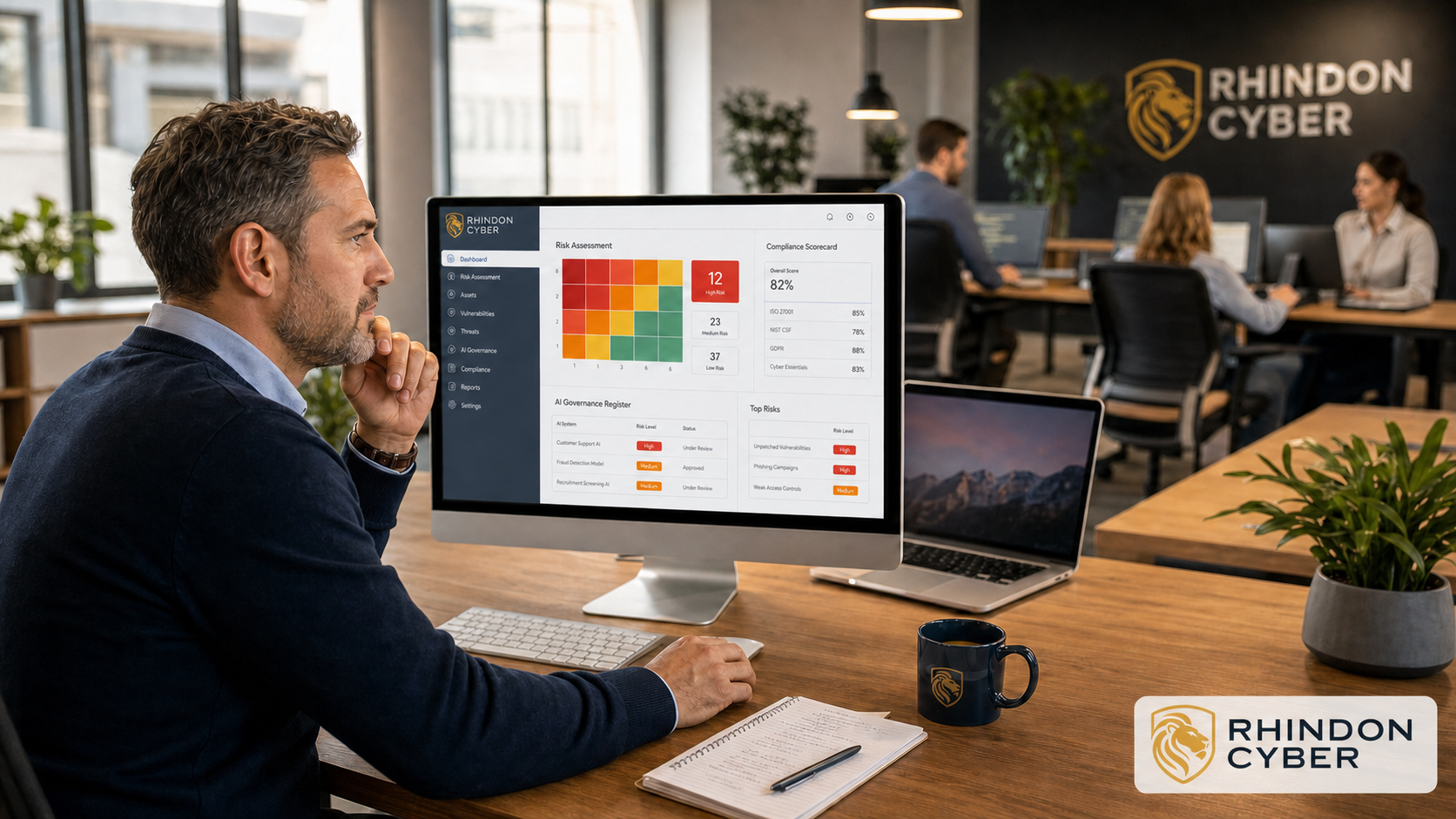
Comprehensive Risk Assessments for SMBs - Why RAIC Grows With You
Most small and medium businesses face enterprise-grade cyber and AI risks with none of the governance infrastructure to match. This article examines what comprehensive risk assessments require, why SMBs consistently fall short, and how RAIC's tiered Starter, Professional, and Enterprise platform delivers structured AI governance that grows alongside the business — affordably, from day one.

SOC 2 and AI Governance in 2026: The Complete Guide for SMBs
Shadow AI — the use of AI-powered tools by employees without IT approval or governance controls — has emerged as one of the most common SOC 2 audit findings in 2026.
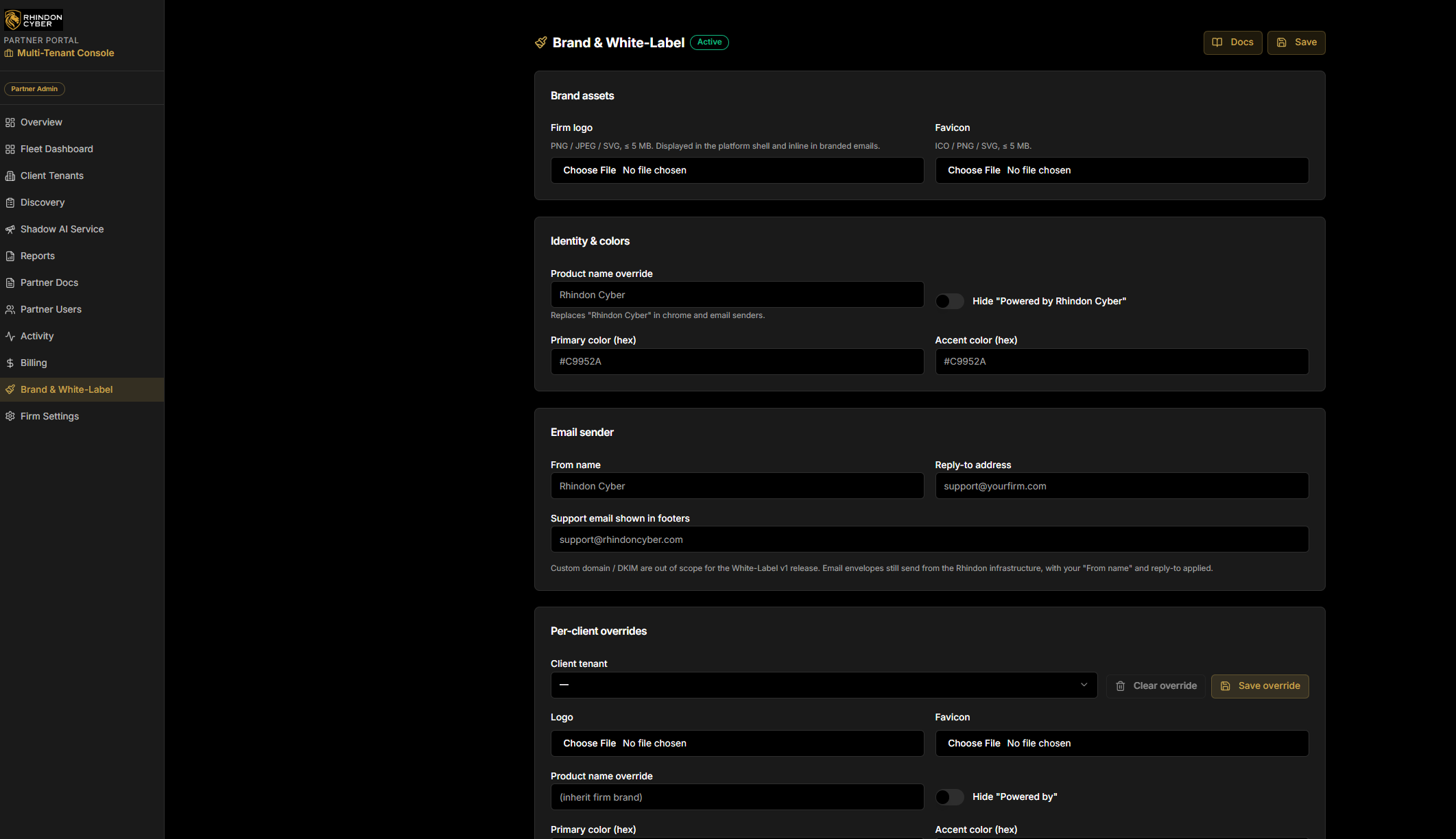
MSP White-Label AI Governance: How Managed Service Providers Can Own the AI Governance Conversation in 2026
The global AI governance market is expanding at a 38.5% CAGR and is projected to reach $4.2 billion by 2033. The MSPs that build a white-label AI governance practice today will own the recurring revenue streams that come with it for the next decade.

ISO 42001: The Complete Guide for SMBs — What It Is, Why It Matters, and How to Get Certified (2026)
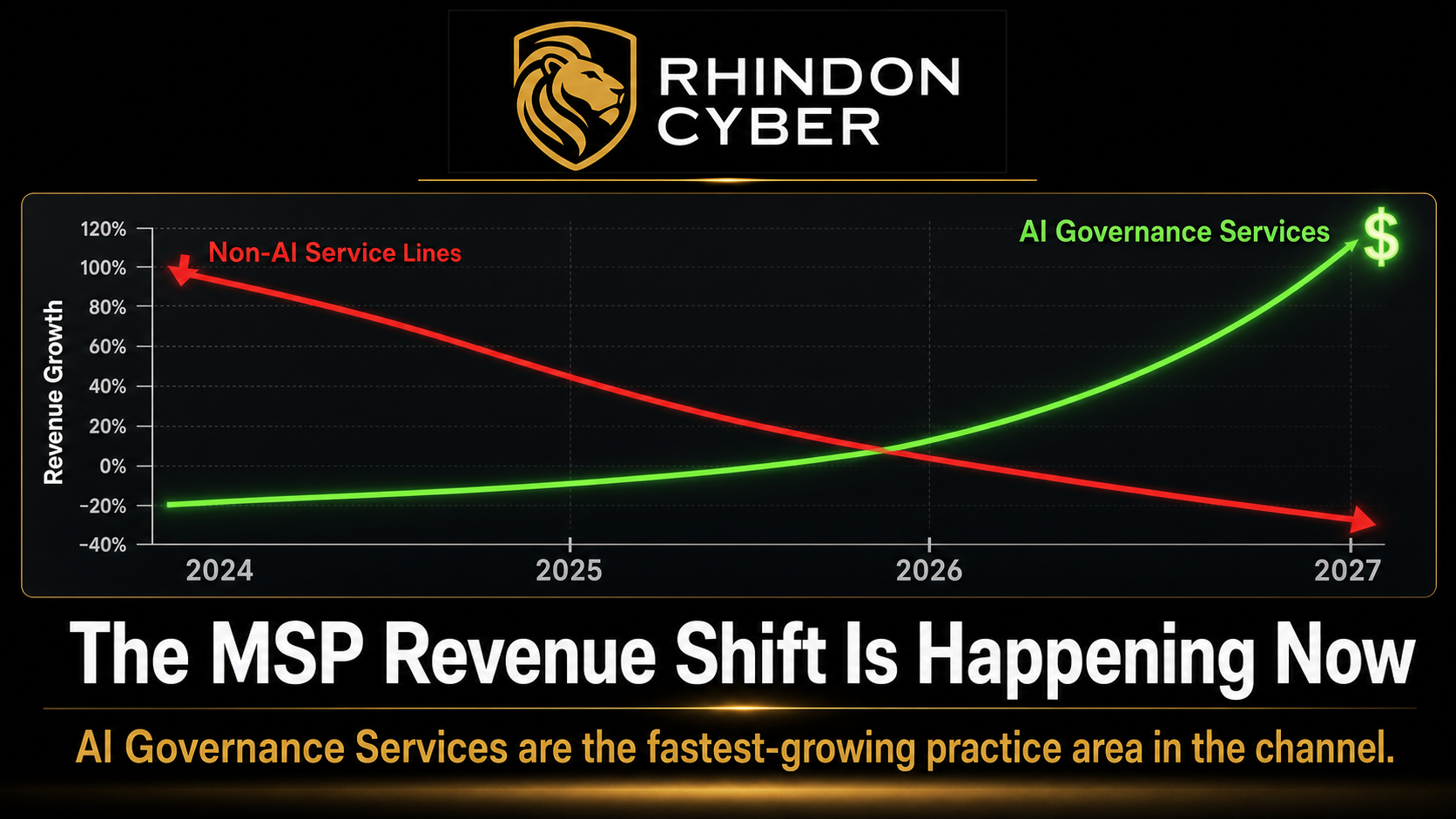
AI Governance Software for MSPs: What to Look For (2026 Buyer's Guide)
The commercial case for MSPs building AI governance capabilities rests on three converging revenue streams that are not hypothetical — they are emerging in 2026 among MSPs that have moved early.